

Luxury real estate in 2026 is not going to reward agents who just repeat headlines with nicer branding. It’s going to reward the agents who can explain what is actually happening in their market, what matters, what doesn’t, and what a buyer or seller should do next.
That’s the opportunity. If you can separate signal from noise, communicate clearly, and stay consistent long enough for trust to compound, you’re in a very strong position. So let’s get into the luxury real estate market trends 2026 agents actually need to understand.
Key Takeaways
- Luxury is local. National headlines are useful, but luxury performance will vary dramatically by neighborhood, property type, and buyer profile.
- High-net-worth buyers are still active, but they are more selective. They want clarity, privacy, lifestyle fit, and proof of value.
- Turnkey wins. Move-in-ready, design-forward, wellness-oriented homes are likely to attract more attention than project properties.
- Private networks matter more. Off-market opportunities, agent relationships, and trusted referral sources can shape high-end deal flow.
- Climate risk and carrying costs are now part of the luxury conversation. Insurance, taxes, assessments, and resilience matter.
- AI search is changing agent discovery. Clients are researching agents across Google, YouTube, social platforms, and AI-driven search tools before they ever reach out.
- Content, CRM, and consistency are now business assets. Authority compounds when your expertise has a home base and your follow-up actually happens.
- In 2026, the luxury agent’s job is to interpret the market. Not just observe it.
What are the biggest luxury real estate market trends for 2026?
The biggest luxury real estate market trends 2026 agents should watch are selective high-net-worth buyer demand, stronger performance in lifestyle-driven micro-markets, increasing demand for turnkey and wellness-focused homes, more private and off-market activity, greater attention to climate and insurance risk, and a major shift toward AI-assisted search and trust-based digital authority.
That’s the short answer. Now let’s make it useful.
What counts as luxury real estate in 2026?
Luxury real estate in 2026 is best defined as the top tier of a specific local market, usually shaped by price, scarcity, location, design, amenities, privacy, and buyer profile. A home that feels ultra-premium in one market may be entry-level in another.
This is where a lot of agents get sloppy. They borrow a national definition of luxury and try to paste it onto a local market that plays by completely different rules.
If you want to compete seriously, build a local luxury benchmark using:
- Top 5% to 10% of sales in your market
- Median luxury sale price
- Luxury days on market
- List-to-sale price ratio
- Active inventory by neighborhood
- Cash purchase share
- Most in-demand property types
That benchmark should live on your website and in your listing presentation. (The ultimate guide to succeeding in luxury real estate goes deeper on defining the tier; here the point is that the benchmark is yours to publish.) Content should not disappear after one post. If you’ve done the work to understand your luxury threshold, turn it into a recurring authority asset.
Trend 1: Luxury is getting more local and more segmented
The market is not one market. In luxury, that’s especially true.
One neighborhood can be moving fast while another is sitting. One category, like waterfront or gated golf communities, may stay strong while oversized aspirational inventory drifts. One luxury condo tower may outperform because of service and design, while another struggles with fees, layout issues, or stale product.
In 2026, the agent who can explain the difference between the market and the micro-market will win more luxury conversations.
What this means for agents
Stop publishing vague updates like “the market is shifting” and start showing people where and how it’s shifting.
Use MLS and local data to break out:
- Absorption rate
- Inventory by neighborhood
- Average and median days on market
- Price reductions
- Sold-to-list ratio
- Sales by price band
- Cash vs financed activity
If your market update sounds like it could apply to any city in America, it’s probably not useful enough for a luxury client.
Trend 2: High-net-worth buyers are still buying, but they want better answers
Luxury buyers are not necessarily frozen. They’re just not careless.
Many affluent buyers have more flexibility than the average consumer. Some are cash buyers — and they are not rare: 26% of all home buyers paid cash, an all-time high (NAR 2025 Profile). Some borrow strategically. Some are optimizing for taxes, lifestyle, asset diversification, or family logistics. But even when they can afford more, they still want clarity.
Luxury home buyers in 2026 are expected to prioritize:
- Privacy
- Security
- Convenience
- Turnkey condition
- Wellness features
- Flexible work-from-home space
- Multigenerational usability
- Strong location fundamentals
- Long-term value
- Easy access to airports, schools, healthcare, dining, and recreation
They don’t want pressure. They want interpretation.
What this means for agents
Your buyer consultation needs to level up. A generic script is not enough.
You need:
- A lifestyle discovery process
- Neighborhood comparison tools
- A clear off-market strategy
- Privacy and discretion language
- Referral connections when needed
- Better communication around tradeoffs
Luxury clients do not want to feel scripted. They want to feel understood.
Trend 3: Turnkey and design-forward homes will keep commanding attention
Busy affluent buyers usually do not want to inherit a renovation project, especially at the high end.
Construction delays, labor shortages, rising improvement costs, and permitting headaches have pushed a lot of buyers toward finished product. So, yes, in many markets, turnkey still carries a premium, especially when the design feels intentional and the home photographs well.
Features that tend to matter more in luxury homes 2026:
- High-end kitchens
- Spa-style bathrooms
- Smart home systems
- Home offices
- Guest suites
- Outdoor entertaining areas
- Wellness rooms or gyms
- Energy efficiency
- Strong staging and lighting
- Quality materials and cohesive design
What this means for agents
For sellers, this is where better prep creates better leverage.
Use a simple seller prep checklist:
- Design audit
- Deferred maintenance review
- Paint and lighting plan
- Landscaping refresh
- Staging strategy
- Photo and video plan
- Pre-market pricing review
- Private preview strategy
Beautiful marketing helps, but it cannot rescue poor presentation and unrealistic pricing forever. The full seller-side playbook is in selling luxury homes successfully.
Trend 4: Wellness, privacy, and lifestyle are now core value drivers
A lot of luxury marketing still reads like a square-footage spreadsheet in a tuxedo.
That misses the point. High-end buyers are not just buying a house. They are buying a way of living.
The most in-demand luxury home amenities in 2026 may include:
- Home gyms
- Sauna or steam rooms
- Cold plunge setups
- Pools and outdoor kitchens
- Larger primary suites
- Quiet office space
- Guest houses
- Smart lighting and climate control
- Gated access
- Strong security systems
- Indoor-outdoor layouts
- Privacy buffers
- Flexible family layouts
Instead of listing features only, market the outcome.
So, not just “6 bedrooms and 6,200 square feet.” More like: a private estate built for entertaining, recovery, work, and multigenerational living. That’s what actually connects.
Trend 5: Private listings and referral networks matter more in luxury
In luxury, access is valuable, but trust is the currency.
A lot of high-end buyers and sellers care deeply about discretion. That’s why private listings, quiet deal flow, and trusted referral relationships continue to matter. Executives, founders, physicians, attorneys, and high-net-worth families often value control over exposure.
That does not mean agents should get loose with process. Off-market does not mean undocumented. And it absolutely does not mean ignoring MLS rules, brokerage policies, or fair housing obligations — the Fair Housing Act prohibits discrimination in housing because of race or color, religion, sex, national origin, familial status or disability (U.S. Department of Justice), and a “private” buyer list is still a housing practice.
What this means for agents
Build infrastructure around discretion:
- Strong agent-to-agent relationships
- A qualified private buyer list
- Referral partnerships with attorneys, CPAs, wealth advisors, relocation specialists, and lenders
- CRM segmentation for high-value contacts
- A clear seller conversation about public vs private launch strategy
And so, yes, this is also a follow-up problem. If your best relationships are sitting in old inboxes, scattered spreadsheets, and half-finished notes, you’re making luxury harder than it needs to be.
Trend 6: AI search and digital authority will influence who gets the call
This one is a bigger deal than many agents realize.
Affluent clients are researching before they ever reach out. They’re using Google, YouTube, social platforms, voice search, and AI tools to compare markets, validate expertise, and narrow down who feels trustworthy enough to contact. This is not a luxury-only habit: 46% of all buyers said their first step was looking online, and buyers searched for a median of ten weeks (NAR 2025 Profile) — ten weeks in which your content is answering their questions, or someone else’s is.
AI will matter in luxury real estate in 2026 because affluent clients are using more digital tools to research markets, compare agents, and validate expertise before making contact. Agents with structured, authoritative, locally relevant content will have an advantage in both search results and AI-generated answers.
What this means for agents
Thin bios and generic listing pages are not enough anymore.
You need a digital footprint that answers questions like:
- What are the luxury market trends in this city?
- What do luxury buyers want right now?
- Which neighborhoods are strongest?
- Is now a good time to sell a luxury property here?
- What are the risks, fees, and tradeoffs in this market?
- How does this agent think?
Your expertise needs a home base. And your home base should include:
- A real website
- Neighborhood-specific luxury pages
- Monthly market insight articles
- YouTube videos embedded into articles
- FAQ-rich content
- CRM-connected lead forms
- Luxury buyer and seller guides
Authority compounds. Random posting does not.
Trend 7: Video and YouTube are trust assets now
Luxury clients want to see how you communicate, not just what you claim.
That’s why YouTube and video-based market content keep getting more important, especially for relocation buyers, second-home buyers, and anyone researching from outside the market. Production quality matters in luxury, sure, but clarity and consistency matter more than trying to look like a streaming network on day one.
The real mistake is creating content in random bursts. I learned this from a real estate agent who would market hard, get busy with listings, stop, and then lose momentum every time the cycle reset.
What this means for agents
A monthly luxury market update can become:
- A blog article
- A YouTube video
- A LinkedIn post
- An Instagram carousel
- An email newsletter
- FAQ content
- CRM follow-up
One good insight should turn into a system, not a one-and-done post.
Trend 8: Climate risk, insurance, and carrying costs are part of the value equation
Luxury buyers can afford more, but they still hate surprises. The surprises are expensive: FEMA puts the damage from just one inch of water in a home at more than $25,000 and notes that most standard homeowners policies do not cover flood damage — exactly the kind of fact a luxury buyer expects you to raise before the inspection, not after.
That means insurance availability, flood exposure, wildfire risk, HOA reserves, condo assessments, property taxes, maintenance obligations, and energy costs are all becoming more relevant in the luxury buying conversation.
This is especially important in coastal, wildfire-prone, flood-prone, storm-exposed, and heavily regulated markets.
What this means for agents
You do not need to become an insurance advisor or tax strategist. You do need to know which questions should be raised early.
Create a risk-aware checklist that helps clients think through:
- Flood zones
- Wildfire exposure
- Wind or hurricane coverage
- Roof age
- Replacement cost
- Shoreline or seawall issues
- Building rules and assessments
- Backup power
- Energy efficiency
- Water reliability
This article is for informational purposes only and is not legal, tax, insurance, or financial advice. Buyers and sellers should consult qualified professionals before making decisions.
Trend 9: Branded residences and service-driven luxury will keep attracting attention
Branded residences are not for everybody, but they fit a real buyer profile.
These properties appeal to clients who want convenience, consistency, security, service, and a lock-and-leave lifestyle. That can make them especially attractive to global buyers, second-home owners, and buyers who want hospitality-level amenities.
Branded residences are luxury properties associated with a recognized hospitality, fashion, automotive, or lifestyle brand. In 2026, they may attract buyers who value service, security, convenience, and a turnkey lifestyle, especially in major urban and resort markets.
What this means for agents
If you’re selling or advising on these properties, go beyond the branding.
Help clients evaluate:
- Service quality
- HOA fees
- Rental restrictions
- Resale history
- Developer reputation
- Amenity usage
- Privacy
- Management quality
Luxury clients want the reality behind the brochure.
Trend 10: Better pricing strategy will matter more than louder marketing
Some luxury sellers still want to price off peak-market memory instead of present-market evidence.
I keep my phone, wallet and keys on top of the refrigerator. It is tall, out of sight, and nobody else can reach up there — a system that worked for more than a decade. Then we bought a house and a new French-door fridge with ice in the door. My boys and I moved it in ourselves, it sat leaning slightly forward, and I figured I would level it later. Not long after, my phone went missing. We finally heard it buzzing from inside the front of the ice bucket, where it had slid off the top and worked its way down as people opened and closed the door — an inch from the crusher.
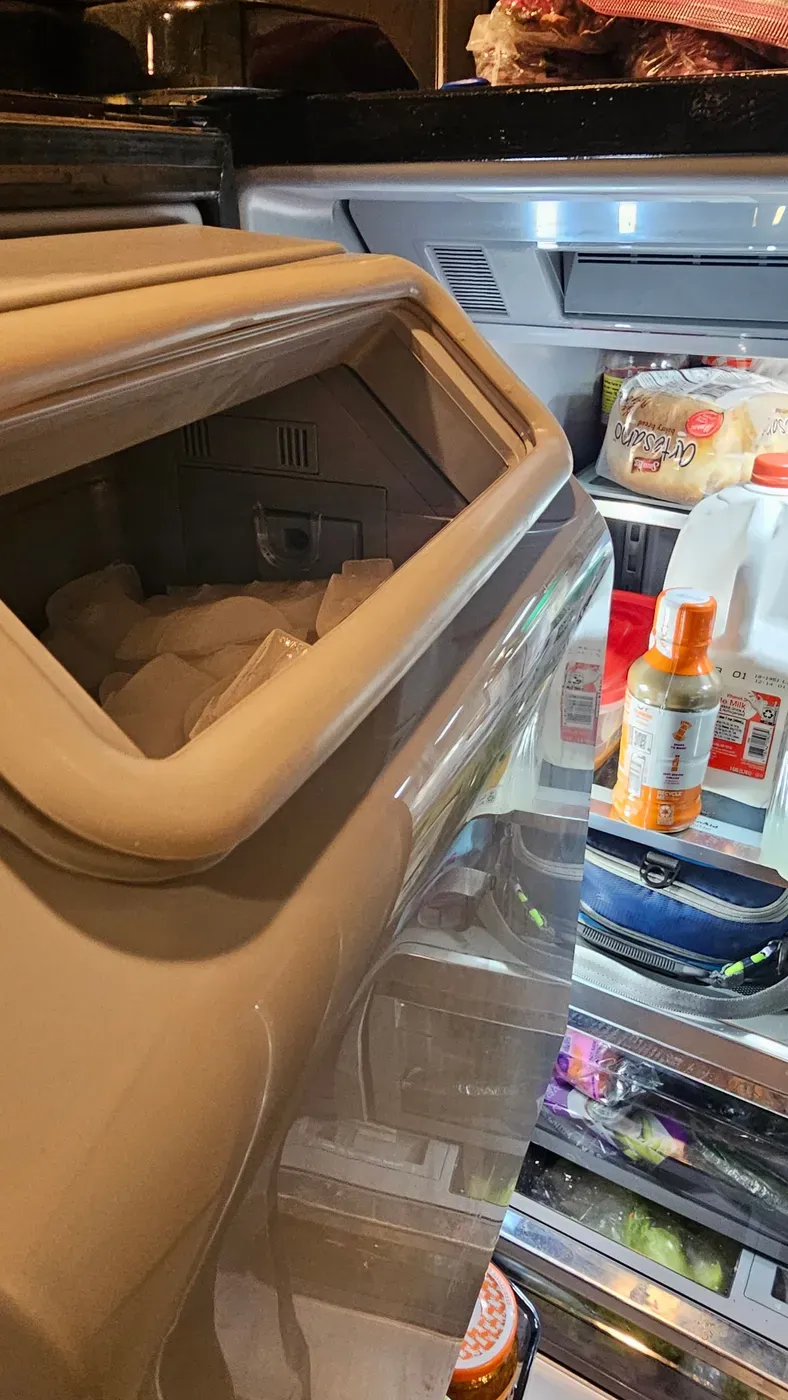
Peak-market pricing is the same habit. It worked for years, so it feels like a law. Then one variable tilts — rates, inventory, the size of the buyer pool at that price — and the listing slides somewhere nobody is looking.
That usually ends the same way: too much optimism up front, not enough leverage later, and a listing that loses energy while buyers watch from the sidelines.
In 2026, luxury sellers will not just need exposure. They will need strategy.
Use this 4-part pricing review
- Comparable sales: What actually closed?
- Active competition: What can buyers choose right now?
- Buyer pool depth: How many qualified buyers exist at this price point?
- Property uniqueness: What makes this home scarce or hard to replace?
The first 30 to 45 days still matter. So if the launch is wrong, the cost is real.
The 2026 opportunity: Become the market interpreter
This is the big idea underneath all of it.
Luxury clients do not need another agent who can forward a headline, post a polished photo, or say the market is “interesting right now.” They need someone who can take a complex market and make it legible.
That means becoming four things at once:
- Market analyst
- Trusted advisor
- Visible authority
- Relationship builder
I think the cleanest way to frame it is this simple 4-part model.
The 2026 Luxury Market Visibility Framework
1. Market intelligence
Know your local numbers, your niches, your buyer behavior, and your neighborhood patterns.
2. Authority content
Publish articles, videos, emails, and updates that answer real questions in plain English.
3. Relationship infrastructure
Use your CRM like an actual business asset. Segment it, maintain it, and follow up with intention.
4. Automation and leverage
Use AI and systems to reduce repetitive work, support publishing, and keep opportunities from falling through the cracks.
If you only do one thing after reading this, do this: stop trying to be vaguely visible and start trying to be specifically useful. The buyer-side system for that — segment, brand, content, follow-up — is in how to attract luxury home buyers.
90-day action plan for luxury agents in 2026
If you want to move from theory to execution, here’s a practical sequence.
Days 1-15: Build your local luxury baseline
- Define your luxury threshold
- Pull 12 months of sales data
- Identify top-performing neighborhoods
- Track inventory, DOM, list-to-sale ratio, and price bands
- Build a simple dashboard
Days 16-30: Clarify your niche
- Choose 1 to 3 luxury lanes
- Update your bio and positioning
- Tighten your value proposition
- Create neighborhood and buyer-profile talking points
Days 31-45: Publish authority content
- Write one luxury market trends article
- Publish one neighborhood guide
- Record one video market update
- Send one email to your sphere
- Break the content into social posts
Days 46-60: Build referral relationships
- Identify high-value referral partners
- Reach out consistently
- Add them to CRM
- Track introductions and opportunities
Days 61-75: Clean up follow-up
- Segment luxury buyers and sellers
- Tag referral partners
- Build nurture sequences
- Add lead capture and routing where needed
Days 76-90: Create reusable assets
- Luxury listing presentation
- Luxury buyer consultation deck
- Seller prep checklist
- Private listing explainer
- Quarterly luxury report
Common mistakes to avoid
There are two camps here. Some agents think luxury is just regular residential with more zeros. Others overcomplicate it and act like it requires some mysterious secret society handshake. Both camps miss the point.
Avoid these mistakes:
- Relying only on generic social media
- Treating luxury like standard residential with a higher price tag
- Ignoring local data
- Following up inconsistently
- Sounding scripted with affluent clients
- Underinvesting in your digital presence
- Letting your CRM become digital clutter
- Creating content in random bursts instead of building a repeatable system
Final thoughts
The luxury real estate market trends 2026 agents should care about are not just about pricing, demand, or amenities. They’re about interpretation, trust, consistency, and systems.
Luxury is local. Buyers are selective. Sellers need strategy. Content needs a home base. A CRM is only valuable if it actually drives follow-up. And the agents who grow in this environment will be the ones who explain the market clearly enough that clients feel safe moving forward.
Luxury clients are not looking for the loudest agent in the market. They are looking for the clearest one.
Frequently asked questions
What are the biggest luxury real estate market trends for 2026?
Selective high-net-worth demand, stronger performance in lifestyle-driven micro-markets, demand for turnkey and wellness-focused homes, more private and off-market activity, greater attention to climate and insurance risk, and a shift toward AI-assisted research and trust-based digital authority.
What counts as luxury real estate in 2026?
The top tier of a specific local market — usually the top 5% to 10% of sales — shaped by price, scarcity, location, design, amenities, privacy and buyer profile. A home that is ultra-premium in one market can be entry-level luxury in another.
Are luxury buyers still paying cash?
Yes. 26% of all home buyers paid cash in NAR’s 2025 Profile of Home Buyers and Sellers, an all-time high, and affluent buyers have more flexibility to structure a purchase around taxes, lifestyle or diversification rather than financing.
How will AI affect luxury real estate agents in 2026?
Affluent clients are using Google, YouTube, social platforms and AI tools to compare markets and validate expertise before they make contact. Agents with structured, locally relevant, well-sourced content have an advantage in both search results and AI-generated answers.
Why do climate risk and insurance matter in luxury real estate?
Because they change carrying costs and resale value. FEMA estimates that one inch of water in a home can cause more than $25,000 in damage and notes that most standard homeowners policies do not cover flooding, so flood zones, wildfire exposure, wind coverage and assessments belong in the buyer conversation early.
What is the biggest luxury pricing mistake in 2026?
Pricing off peak-market memory instead of present-market evidence. The fix is a four-part review — comparable sales, active competition, buyer-pool depth and property uniqueness — before launch, because the first 30 to 45 days set the listing’s momentum.